With many plants in the garden now wilting or totally frazzled, it’s worth thinking ahead to next summer and what you may like to invest in, especially with predictions that these temperatures could be the new norm. We need plants that are tough and hardy for sun and drought, as well as winter.
Here’s my list of easily available plants which, in my experience, are standing up to the brutish, if not particularly British, weather and still looking great. Of course, every soil is different and healthy soil, unaffected by chemical residues, is important. The theme in general, though definitely not exclusively, is Mediterranean herbs. No surprise really. But what’s not to love about these beautiful edibles.
One disclaimer before we launch in, I wouldn’t recommend buying now unless you want to support the garden centres, as their sales surely must be down, and only if you’re really going to be out there daily with the watering can to keep them watered — new plants need plenty of time and water to establish their roots in their soil surroundings. Autumn, in the cooler, wetter weather, will be a better time for planting these:
Mediterranean herbs
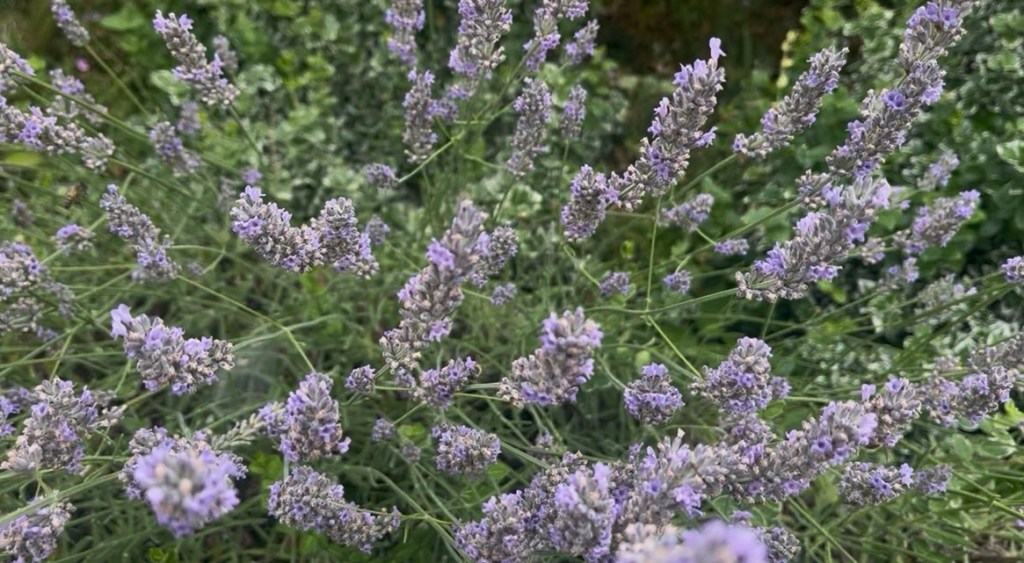
Lavandula angustifolia — This is the English lavender variety and is abuzz with pollinators this summer; it’s literally loving this weather. Likewise I also recommend the long-stemmed variety Lavandula x intermedia which is a top favourite for bees
Cistus spp. — The rock rose, and although it finished flowering in June, this shrub is from the Mediterranean scrubland, so definitely knows a thing or two about resilience and I see it continue to push out healthy new growth ready for next year.
Salvia officinalis or other Salvia spp. — I always rave about common garden sage for its striking lilac flowers, its aromatic and herbal value, and this year it’s done me proud. With its origins in the Med, no wonder.
Salvia rosmarinus — Common rosemary, another classic herb from the Mediterranean, where it grows naturally on rocky hillsides and scrubland. The flowers are a rich source of nectar for many species of pollinators.
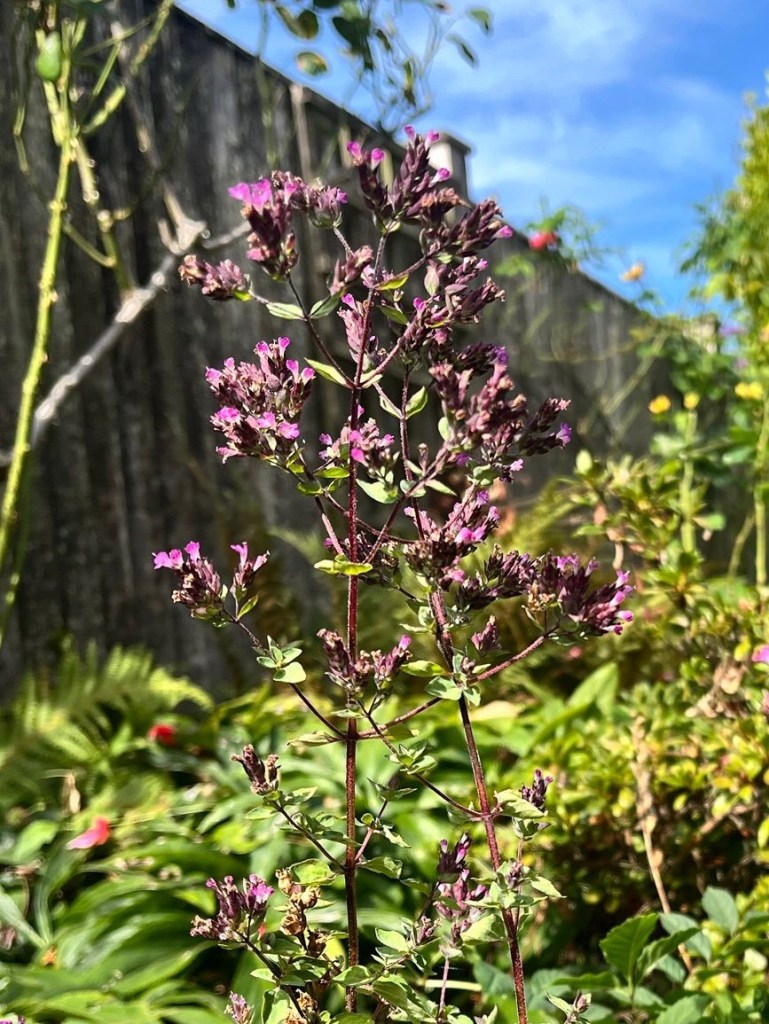
Origanum vulgare — Oregano, meaning joy of the mountain; another classic Mediterranean herb with flowers spanning pink through to white, self-seeding nicely through a herbaceous planting scheme and yes, bringing me true joy.
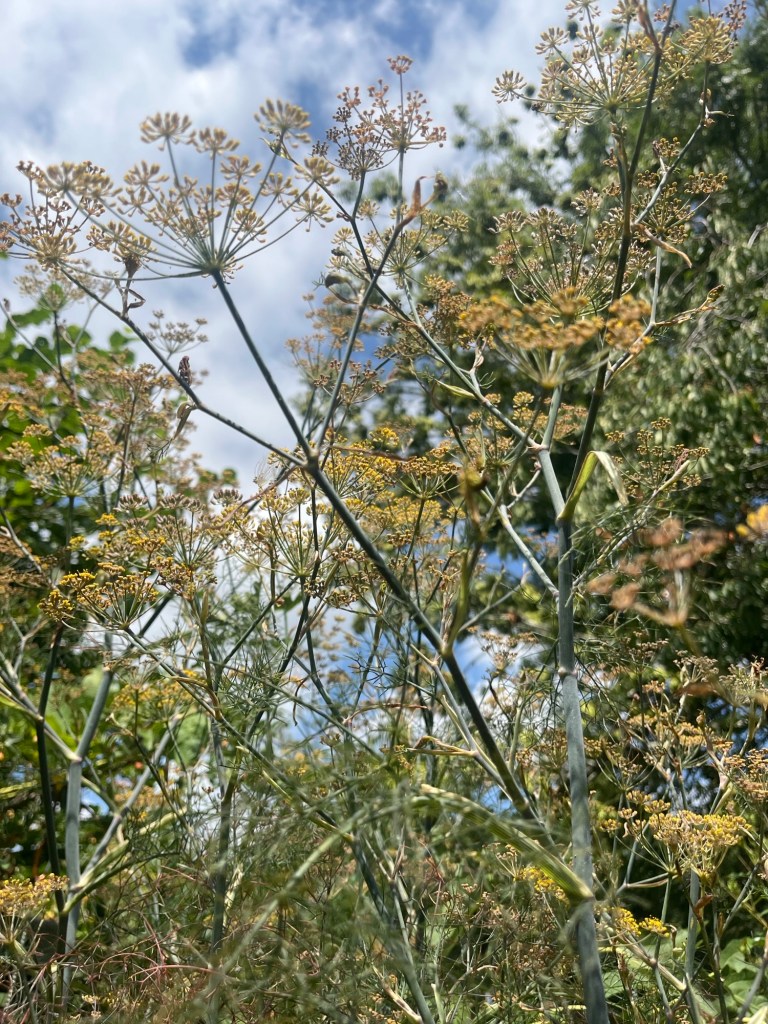
Foeniculum vulgare — Fennel in bronze or green. Tall with that lovely liquorice scent and tactile, fuzzy leaves and yellow-topped umbellifer flowers. Nice height for the back of a border.
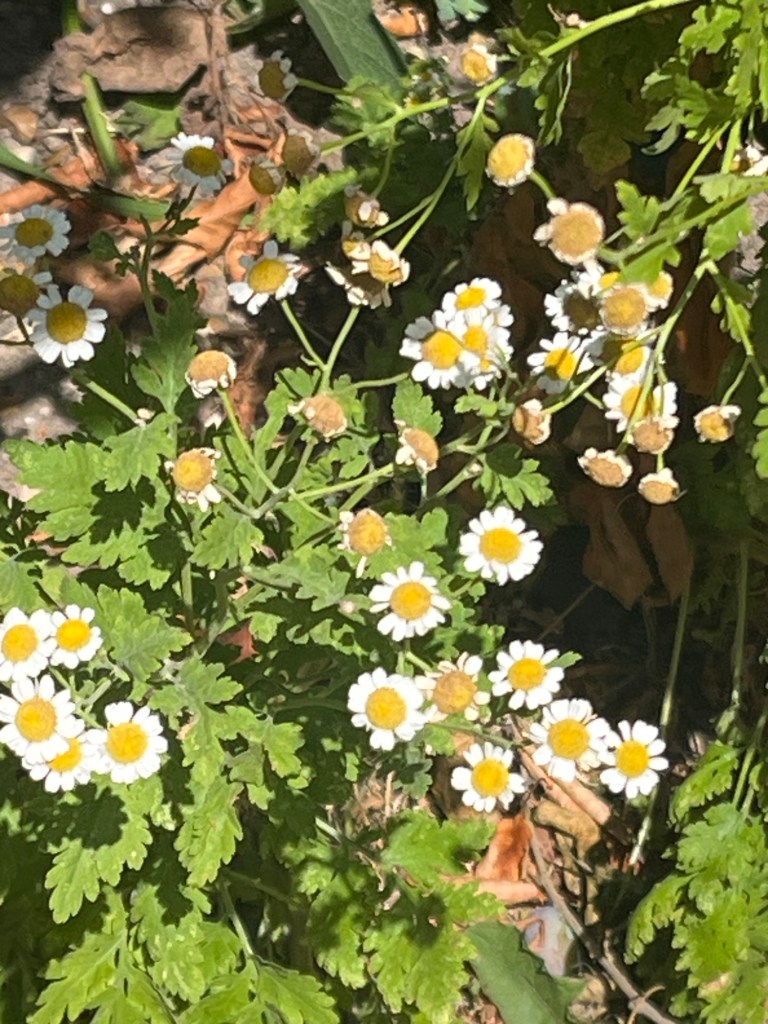
Tanacetum parthenium — Feverfew, for another splash of dazzling white, with yellow centres, akin to the daisy but in miniature. So cute, actually. It reliably self seeds too.
Flowering perennials
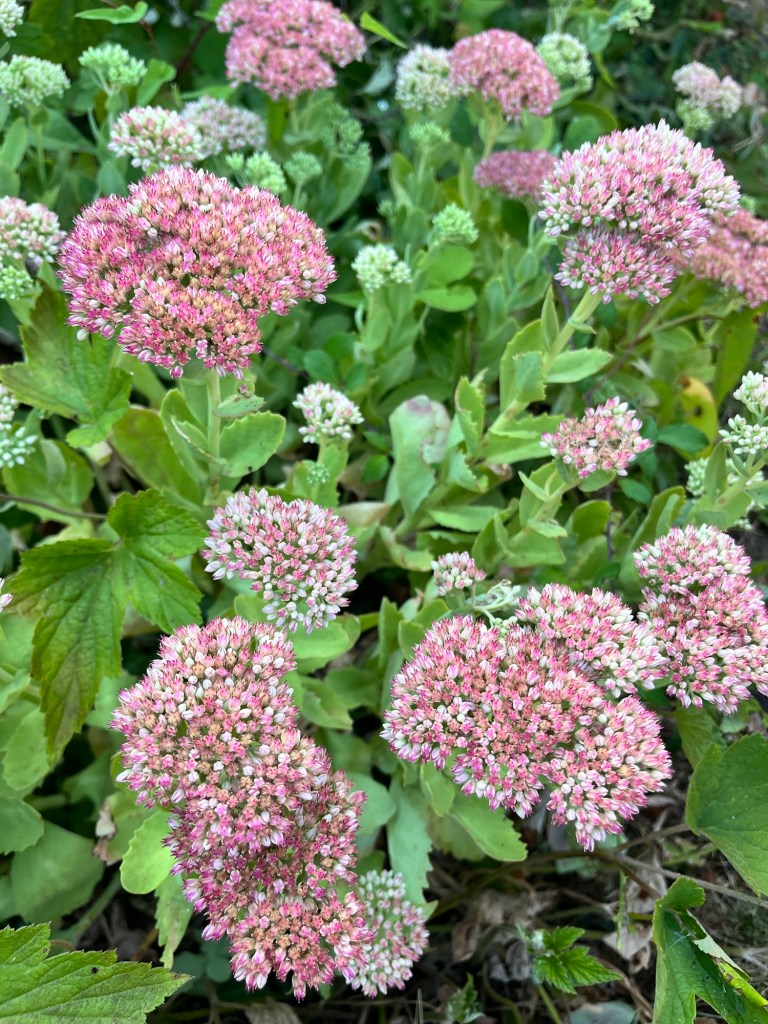
Hylotelephium spp. — Sedum, a late summer flowering stalwart and so far on track to provide pollinators with their well-deserved bounty of nectar when other flowers have faded.
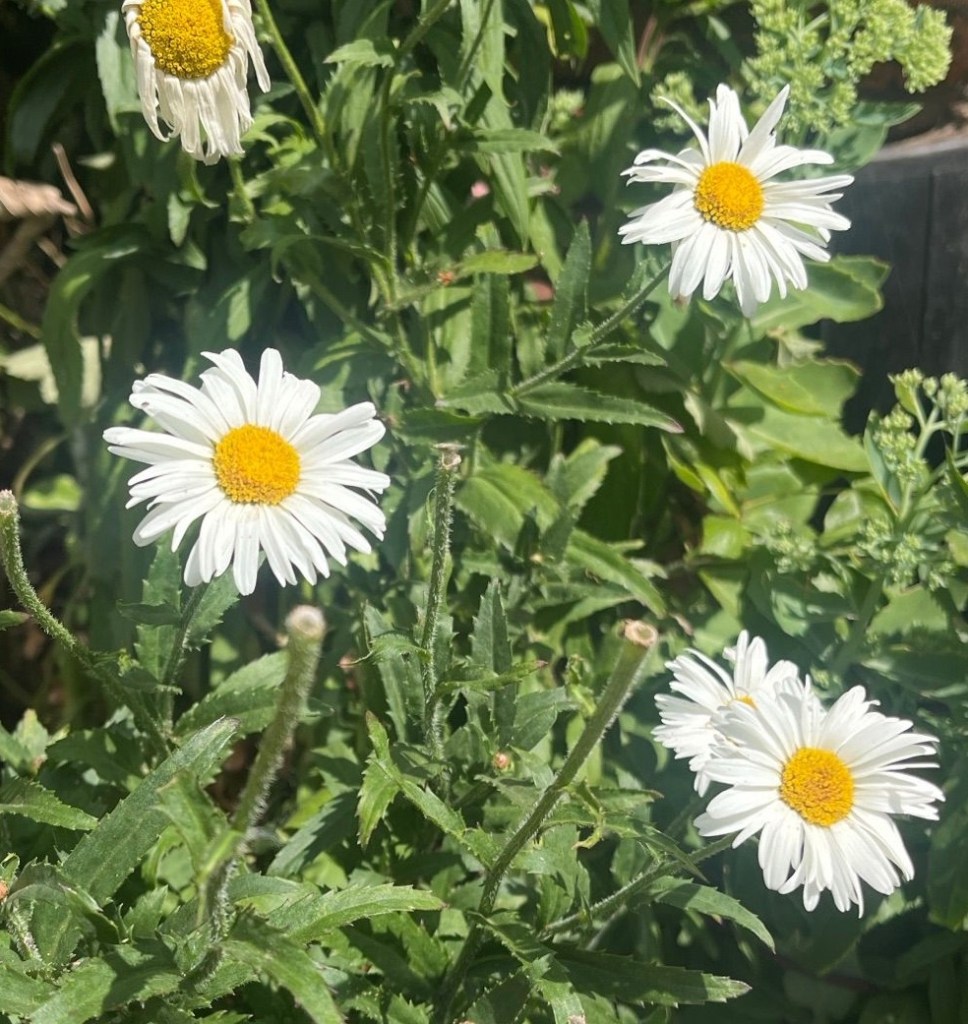
Leucanthemum × superbum — The Shasta daisy, still looking amazing en masse with its dazzling white display. Tall and always impressive.
Grasses
Stipa tenuissima — Pony-tail grass from the dry grasslands of Mexico and South America; this is one of my favourites of the ornamental grasses as it’s so versatile and looks the part at the front of a dry sunny border, or in containers, and the swishy tactile feathers of its soft, flowing seed heads add a playful twist.
Shrubs
Spiraea japonica — If you’re looking for a shrub that has proven how tough it can be once established. The flowers this year didn’t disappoint.
Hebe spp. — A shrub this time from a different hemisphere, many from New Zealand and Australia, but again growing in places from coastal cliffs and exposed mountainsides to forests and alpine regions. Though personally, if it’s a choice of this or English lavender? The latter every time.
Finally, a native champion
Finally, a plant I blogged about earlier this month…
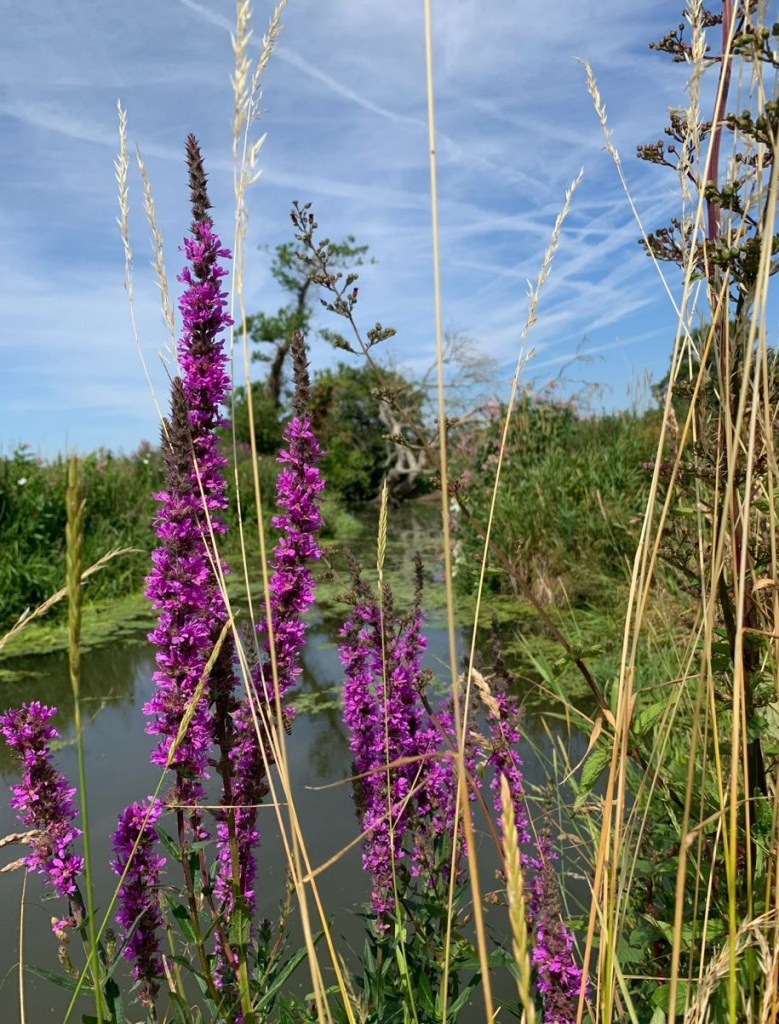
Lythrum salicaria — purple loosestrife, despite it being a wetlands plant, has shown incredible resilience growing in heavy clay away from water, despite no rain for weeks. This is perhaps top of my own list. Loved by pollinators and a true example of why native species also shine bright amongst the winners.
And there we have it!
 Garden Regeneration
You must be logged in to post a comment.